
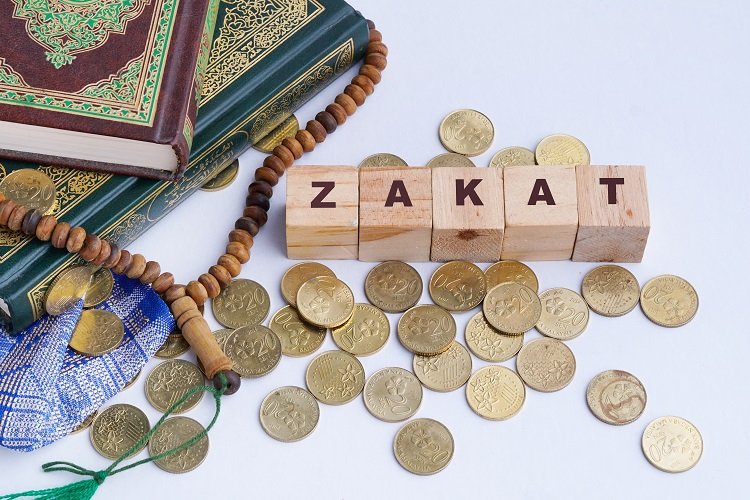
Zakat is one of the five pillars of Islam and is a compulsory form of charity for Muslims who meet certain financial conditions.Muslims who have wealth above a specific amount (called Nisab) must give 2.5% of their savings annually to those in need.
Zakat is one of the five pillars of Islam. It is a mandatory charity that every eligible Muslim must give once a year from their savings and wealth. The word Zakat means purification and growth. By paying Zakat, Muslims purify their wealth and help poor and needy people in society. Zakat is an important part of the Islamic financial system that supports people who are struggling and need help.
Zakat is obligatory for every adult Muslim who owns wealth above a certain limit called Nisab. If a person has savings, gold, silver, business goods, or other valuable assets that remain above the Nisab amount for one Islamic year, then Zakat becomes compulsory on them.
Nisab is the minimum amount of wealth a Muslim must have before Zakat becomes obligatory. The Nisab is equal to the value of 87.48 grams of gold or 612.36 grams of silver. If a person’s savings or assets reach this amount and remain for a full lunar year, they must pay Zakat.
Zakat is calculated as 2.5% of a person’s total savings and eligible wealth that has been kept for one Islamic year. Muslims should calculate their cash, gold, silver, business goods, and other assets, then pay 2.5% of the total amount as Zakat.
Zakat should be given to people who truly need financial help. According to Islamic teachings, Zakat can be given to the poor, the needy, people in debt, travelers in difficulty, and those working to distribute Zakat. Helping these people ensures that wealth circulates in society and supports those who are struggling.
Zakat becomes due when a full Islamic lunar year has passed on wealth that is above the Nisab amount. Many Muslims prefer to pay their Zakat during the month of Ramadan because rewards for good deeds are greater during this blessed month. However, Zakat can be paid whenever it becomes due.
Zakat teaches Muslims generosity, kindness, and responsibility toward others. It helps reduce poverty and creates balance in society. By paying Zakat, Muslims follow the command of Allah and support people who need help the most.

Sadaqah is voluntary charity given to help others for the sake of Allah. It is not limited to money; it can be any act of kindness that benefits another person.Sadaqah can be given at any time and in any amount. Even a small act done with sincere intention is greatly rewarded.
Sadaqah is a voluntary charity in Islam that Muslims give to help others and seek the pleasure of Allah. Unlike Zakat, Sadaqah is not obligatory. A Muslim can give Sadaqah at any time and in any amount. It can be given to poor and needy people or used for good causes that benefit society.
Sadaqah is a beautiful act of kindness and generosity in Islam. It helps people in need and strengthens love and compassion in society. Giving Sadaqah also brings blessings in wealth and life. Muslims believe that charity protects them from difficulties and earns great reward from Allah.
There are many forms of Sadaqah in Islam. It can be money, food, clothes, or helping someone in need. Even small acts of kindness like helping a person, feeding the hungry, or supporting Islamic education are considered Sadaqah.
Sadaqah can be given to anyone who needs help. This may include poor people, needy families, or individuals who are facing financial difficulties. It can also be used for community welfare, education, and other beneficial causes.
Sadaqah can be given at any time during the year. Many Muslims increase their charity during the blessed month of Ramadan because good deeds have greater reward during this time. However, helping others at any time is highly encouraged in Islam.
Giving Sadaqah brings many spiritual and social benefits. It helps reduce poverty, supports people in need, and creates a caring community. Sadaqah also purifies the heart, increases blessings in wealth, and brings reward in this life and the hereafter.
Sadaqah-e-Fitr is a special charity that Muslims must give at the end of Ramadan before the Eid prayer. Its purpose is to help poor Muslims celebrate Eid and ensure that everyone has food on this joyful day.
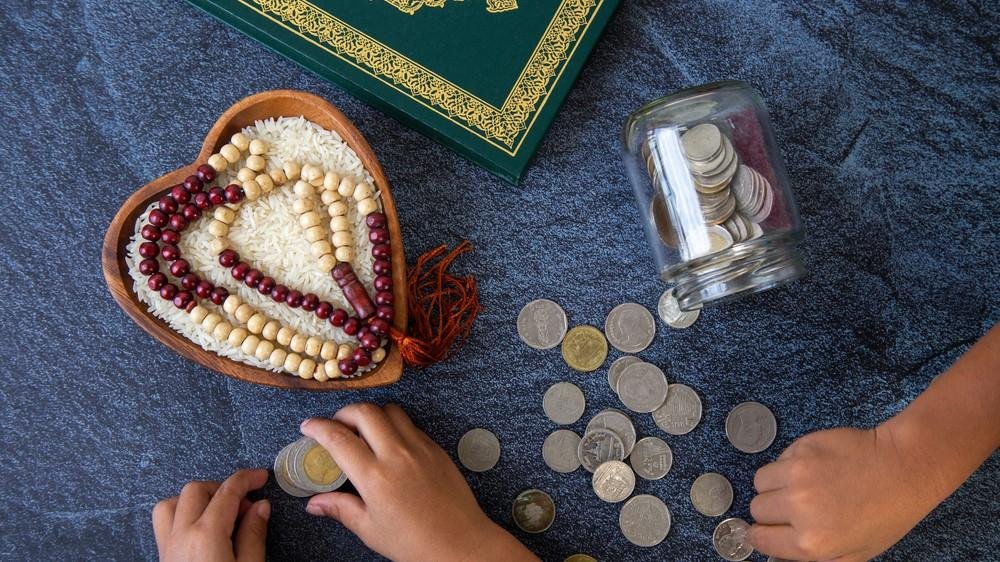
Sadaqat-ul-Fitr, also called Zakat-ul-Fitr, is a special charity that Muslims give at the end of the month of Ramadan before the Eid prayer. It is an obligation on every Muslim who has enough food or wealth for their basic needs. The purpose of Sadaqat-ul-Fitr is to help poor and needy people so they can also celebrate Eid with happiness.
Sadaqat-ul-Fitr is required from every Muslim who can afford it. The head of the family should pay it for themselves and also on behalf of their children and dependents. This charity must be given before the Eid-ul-Fitr prayer so that poor people can benefit from it on the day of Eid.
The amount of Sadaqat-ul-Fitr is equal to about 2 to 2.5 kilograms of basic food such as wheat, barley, dates, or raisins. Many people also give the equivalent value in money so it can easily reach those who need help.
Sadaqat-ul-Fitr should be paid during the month of Ramadan before the Eid-ul-Fitr prayer. It is best to give it a few days before Eid so that it can reach the poor and needy people in time.
Sadaqat-ul-Fitr should be given to poor and needy people who cannot afford their basic needs. The goal is to support them and ensure that everyone in the community can share the joy of Eid.
Sadaqat-ul-Fitr is a way to purify a Muslim’s fast during Ramadan and help people in need. It teaches generosity, kindness, and care for others. By giving this charity, Muslims complete their fasting with a good deed and bring happiness to the less fortunate.

Alhuda Pakistan offers online Quran classes with Tajweed and Islamic studies for kids and adults, guided by qualified teachers.